
Czym są siatki antydronowe?
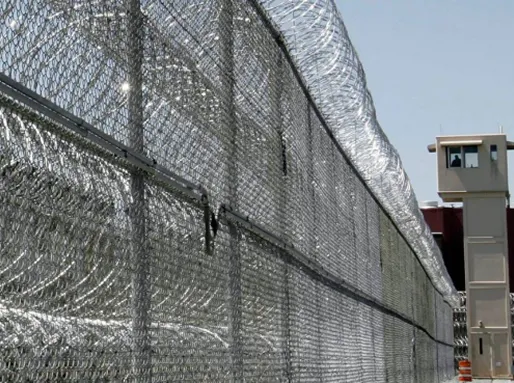
As commercial drones become smaller, cheaper, and easier to deploy, governments and private security operators are facing increasing challenges in protecting sensitive infrastructure from low-altitude UAV threats. Traditional radar and missile defense systems are often expensive and inefficient against small FPV drones or autonomous UAVs.
Stworzyło to rosnące zapotrzebowanie na Anti-Drone Nets and Mesh systems, a practical and cost-effective physical barrier solution capable of intercepting hostile drones before they reach protected targets.
Czym są sieci antydronowe?
Anti-drone nets are specially engineered mesh systems designed to physically block, trap, or disable drones and UAVs. These systems are commonly manufactured using high-strength materials such as HDPE, nylon mesh, stainless steel cable, galvanized wire rope, or Kevlar-reinforced structures.
The mesh creates a physical interception barrier around sensitive infrastructure, preventing drones from accessing restricted airspace or delivering payloads.
Dlaczego ochrona przed dronami jest ważna
Modern drones are increasingly used in surveillance, reconnaissance, smuggling, explosive delivery, and sabotage operations. Low-altitude UAVs are difficult to detect using conventional air defense systems because of their small radar signature and flexible flight patterns.
- Drony rozpoznawcze i szturmowe FPV
- Unauthorized airport drone activity
- Drone-based smuggling operations
- Ryzyko sabotażu infrastruktury krytycznej
- Border surveillance threats
- Explosive payload delivery systems
Jak działają systemy siatki antydronowej
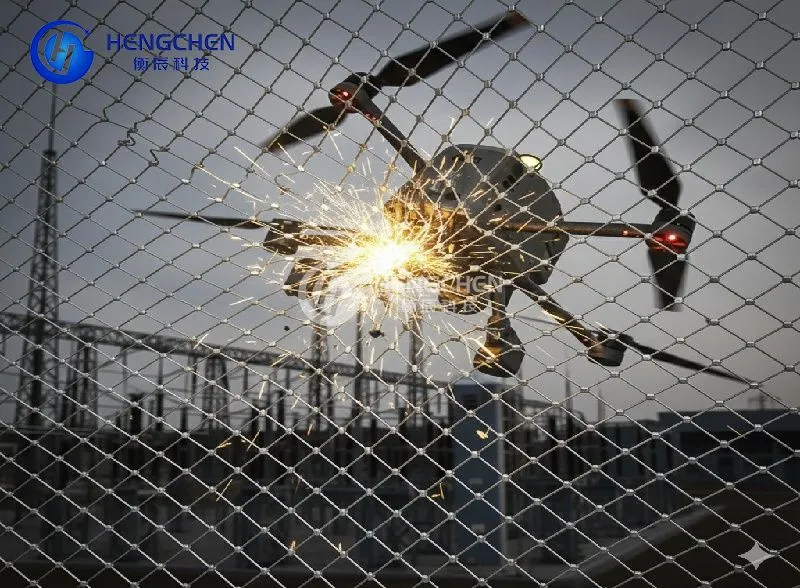
Anti-drone mesh systems create a protective interception zone above or around sensitive areas. When a UAV collides with the mesh:
- The drone propellers become entangled
- Flight stability is lost immediately
- The UAV crashes or becomes immobilized
- The payload cannot reach the target
Unlike electronic counter-drone systems, physical drone barriers continue operating even during electronic warfare or signal disruption conditions.
Główne typy siatek antydronowych
Siatki ochronne nad głową
Installed above ammunition depots, military vehicles, aircraft zones, and temporary camps to stop vertical drone attacks and airborne payload drops.
Siatka obwodowa przeciw dronom
Used around airports, government facilities, oil refineries, and power plants to create restricted aerial access zones.
Bariery dla dronów z lin stalowych
Heavy-duty cable mesh systems designed for permanent outdoor deployment in high-security military and industrial environments.
Przenośne taktyczne siatki na drony
Lightweight deployable systems suitable for mobile security teams, temporary checkpoints, and battlefield operations.
Zastosowania systemów siatek antydronowych
| Industry | Podstawowy cel ochrony |
|---|---|
| Bazy wojskowe | Prevent UAV reconnaissance and explosive attacks |
| Lotniska | Protect runways and aircraft operations |
| Obiekty naftowe i gazowe | Reduce sabotage and aerial intrusion risks |
| Elektrownie | Protect critical energy infrastructure |
| Bezpieczeństwo granic | Prevent smuggling and drone surveillance |
Zalety siatek antydronowych
- Cost-effective compared with missile interception systems
- Continuous passive protection without electricity
- Resistant to electronic countermeasures
- Suitable for military and industrial deployment
- Scalable for large-area protection systems
Przyszłość obrony przed dronami
As drone technology evolves, anti-drone protection systems are becoming more advanced. Future developments include smart sensor integration, AI-assisted drone detection, lightweight composite materials, and hybrid electronic-physical interception systems.
Many modern defense strategies now combine radar detection, RF jamming, surveillance systems, and physical anti-drone barriers into multi-layered security architectures.
Wniosek
Anti-drone nets and mesh systems have become an important part of modern security infrastructure. Their ability to provide reliable, low-cost, and passive UAV protection makes them highly valuable for military bases, airports, energy facilities, and critical infrastructure worldwide.
Często zadawane pytania
Jakie materiały są stosowane w sieciach antydronowych?
Common materials include HDPE, nylon mesh, stainless steel cable, galvanized wire rope, and Kevlar-reinforced netting.
Czy siatka antydronowa może zatrzymać drony FPV?
Yes. Properly engineered anti-drone mesh systems can physically intercept and disable FPV drones and low-altitude UAVs.
Gdzie najczęściej stosuje się sieci antydronowe?
They are widely deployed in military bases, airports, border checkpoints, oil facilities, power plants, and government compounds.