
What Is Anti-Drone Nets/Mesh?
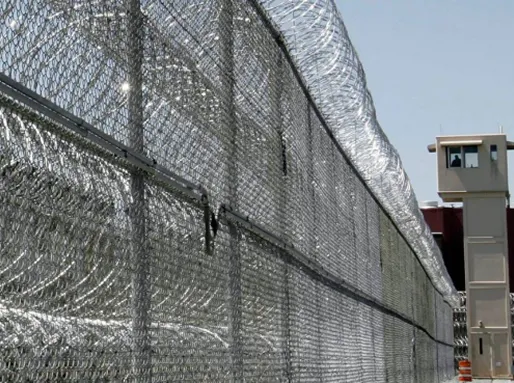
As commercial drones become smaller, cheaper, and easier to deploy, governments and private security operators are facing increasing challenges in protecting sensitive infrastructure from low-altitude UAV threats. Traditional radar and missile defense systems are often expensive and inefficient against small FPV drones or autonomous UAVs.
This has created growing demand for Anti-Drone Nets and Mesh systems, a practical and cost-effective physical barrier solution capable of intercepting hostile drones before they reach protected targets.
What Are Anti-Drone Nets?
Anti-drone nets are specially engineered mesh systems designed to physically block, trap, or disable drones and UAVs. These systems are commonly manufactured using high-strength materials such as HDPE, nylon mesh, stainless steel cable, galvanized wire rope, or Kevlar-reinforced structures.
The mesh creates a physical interception barrier around sensitive infrastructure, preventing drones from accessing restricted airspace or delivering payloads.
Why Anti-Drone Protection Is Important
Modern drones are increasingly used in surveillance, reconnaissance, smuggling, explosive delivery, and sabotage operations. Low-altitude UAVs are difficult to detect using conventional air defense systems because of their small radar signature and flexible flight patterns.
- Military reconnaissance and FPV attack drones
- Unauthorized airport drone activity
- Drone-based smuggling operations
- Critical infrastructure sabotage risks
- Border surveillance threats
- Explosive payload delivery systems
How Anti-Drone Mesh Systems Work
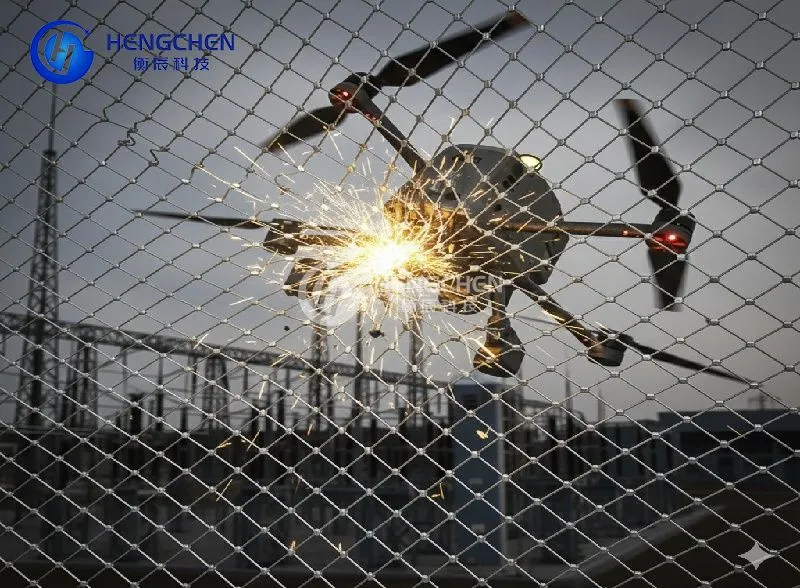
Anti-drone mesh systems create a protective interception zone above or around sensitive areas. When a UAV collides with the mesh:
- The drone propellers become entangled
- Flight stability is lost immediately
- The UAV crashes or becomes immobilized
- The payload cannot reach the target
Unlike electronic counter-drone systems, physical drone barriers continue operating even during electronic warfare or signal disruption conditions.
Main Types of Anti-Drone Nets
Overhead Protection Nets
Installed above ammunition depots, military vehicles, aircraft zones, and temporary camps to stop vertical drone attacks and airborne payload drops.
Perimeter Anti-Drone Mesh
Used around airports, government facilities, oil refineries, and power plants to create restricted aerial access zones.
Steel Cable Drone Barriers
Heavy-duty cable mesh systems designed for permanent outdoor deployment in high-security military and industrial environments.
Portable Tactical Drone Nets
Lightweight deployable systems suitable for mobile security teams, temporary checkpoints, and battlefield operations.
Applications of Anti-Drone Mesh Systems
| Industry | Primary Protection Objective |
|---|---|
| Military Bases | Prevent UAV reconnaissance and explosive attacks |
| Airports | Protect runways and aircraft operations |
| Oil & Gas Facilities | Reduce sabotage and aerial intrusion risks |
| Power Plants | Protect critical energy infrastructure |
| Border Security | Prevent smuggling and drone surveillance |
Advantages of Anti-Drone Netting
- Cost-effective compared with missile interception systems
- Continuous passive protection without electricity
- Resistant to electronic countermeasures
- Suitable for military and industrial deployment
- Scalable for large-area protection systems
The Future of Anti-Drone Defense
As drone technology evolves, anti-drone protection systems are becoming more advanced. Future developments include smart sensor integration, AI-assisted drone detection, lightweight composite materials, and hybrid electronic-physical interception systems.
Many modern defense strategies now combine radar detection, RF jamming, surveillance systems, and physical anti-drone barriers into multi-layered security architectures.
Conclusion
Anti-drone nets and mesh systems have become an important part of modern security infrastructure. Their ability to provide reliable, low-cost, and passive UAV protection makes them highly valuable for military bases, airports, energy facilities, and critical infrastructure worldwide.
Frequently Asked Questions
What materials are used in anti-drone nets?
Common materials include HDPE, nylon mesh, stainless steel cable, galvanized wire rope, and Kevlar-reinforced netting.
Can anti-drone mesh stop FPV drones?
Yes. Properly engineered anti-drone mesh systems can physically intercept and disable FPV drones and low-altitude UAVs.
Where are anti-drone nets commonly used?
They are widely deployed in military bases, airports, border checkpoints, oil facilities, power plants, and government compounds.